The Allure of Casino Gambling
The casino environment is meticulously designed to create a captivating atmosphere that draws individuals in. From the vibrant lights to the enticing sounds of slot machines and the hustle of card games, every element plays a crucial role in engaging players. This sensory overload heightens excitement and can lead to impulsive decisions, as the thrilling ambiance stimulates a rush of dopamine, the brain’s reward chemical. Interestingly, many players are also drawn to international online casinos where they can replicate this experience from the comfort of their homes.
Moreover, the psychological phenomenon known as “the near-miss effect” further enhances this allure. When players experience a close call, such as almost achieving a jackpot, it creates a sense of hope and encourages them to continue playing. This psychological manipulation can lead to significant time spent in the casino, often resulting in increased gambling behaviors.
The Role of Cognitive Biases
In addition to environmental stimulation, cognitive biases heavily influence gambling behavior. One of the most prevalent biases is the illusion of control, where players believe they can influence the outcome of games through skill or strategy, even in games of chance. This belief can lead to reckless gambling, as individuals may underestimate the randomness of results.
Confirmation bias also plays a significant role, whereby players tend to remember their wins while conveniently forgetting losses. This selective memory reinforces the idea that they are winning more often than they actually are, which can lead to continued participation in gambling activities despite mounting losses.
The Impact of Social Dynamics
The social aspect of gambling further complicates the psychology behind it. Casinos are often bustling with individuals enjoying camaraderie, sharing experiences, and celebrating wins together. This social reinforcement can create a communal atmosphere that enhances the enjoyment of gambling, encouraging individuals to engage in behavior they might otherwise avoid when alone.
Additionally, peer pressure can lead individuals to gamble more than they normally would. The concepts of social acceptance and the fear of missing out can push players to take larger risks, placing bets that exceed their financial capabilities while chasing the thrill of collective excitement.
Emotional Triggers and Gambling
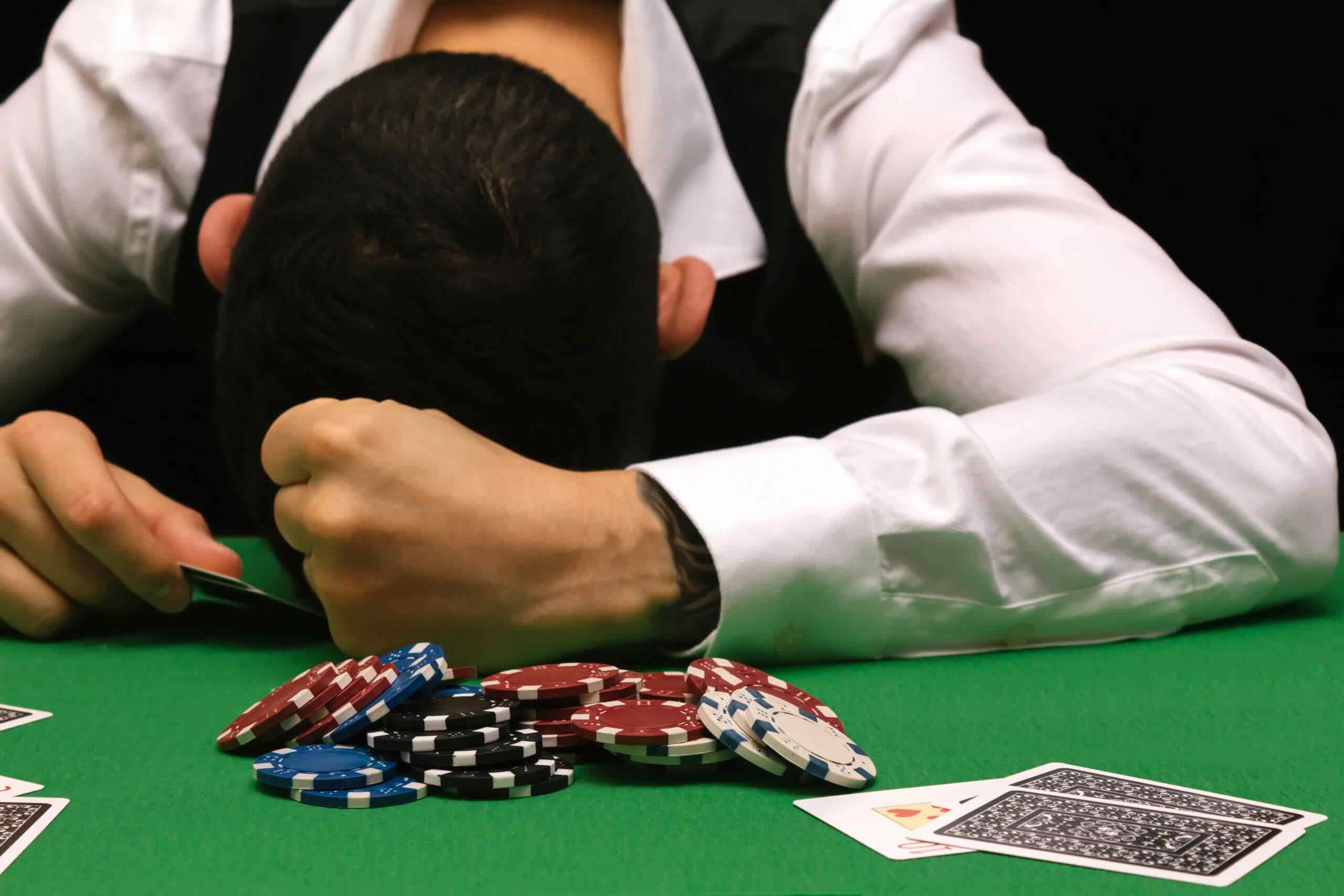
Emotions significantly affect gambling behavior, with many players using gambling as a means to escape from stress or negative feelings. The excitement of playing can temporarily alleviate anxiety or depression, creating a cycle where individuals return to gambling as a coping mechanism. However, this can lead to detrimental outcomes, including addiction and financial hardship.
Moreover, the emotional rollercoaster experienced during gambling—ranging from exhilaration during wins to despair during losses—can become addictive in itself. The highs and lows can create a compelling journey that keeps players engaged, even when the risks become unmanageable.
Understanding Gambling through Responsible Practices
As we delve deeper into the psychology of gambling, it becomes essential to promote responsible gambling practices. Awareness of the mental traps that casinos set and understanding one’s emotional triggers can help individuals make more informed decisions and set limits on their gambling behaviors.
In a casino environment, recognizing the distinctions between entertainment and risky behavior is crucial. By fostering a healthy mindset towards gambling, players can enjoy the thrill of the casino while mitigating the negative psychological impacts associated with excessive gambling.